.svg)
.svg)
.svg)

Emergency Dentist in Graham, TX: What to Do Now
Dental emergency in Graham, TX? Learn what counts as an emergency, how to ease pain now, and how to get seen fast at Salt Creek Dental. Call (940) 549-9500.
Reviewed by Dr. David Scott, DDS, Salt Creek Dental, Graham, TX.
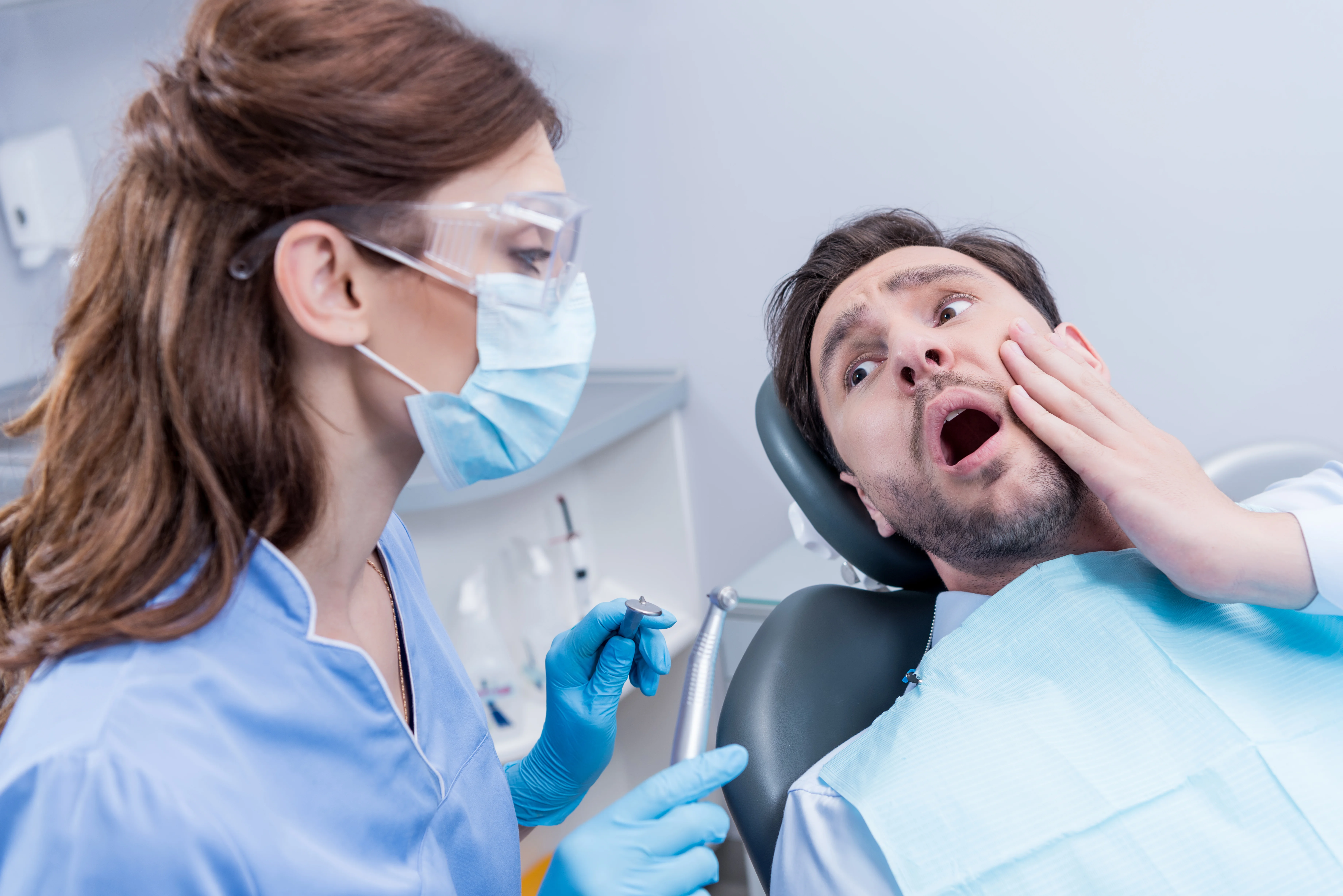
If you are in pain right now, call us at (940) 549-9500. We are at 901 Austin Rd in Graham, and we see emergency patients. Do not wait for the pain to "settle down." Most dental emergencies get worse, not better, and the ones that involve infection can get worse quickly.
If you are reading this at 2am, skip to the first aid section below, do what it says for your situation, and call us when we open.
Dental emergencies are frightening partly because they are so sudden. A tooth cracks on a piece of ice. A filling comes out. A dull ache becomes a throb that no amount of ibuprofen touches. This guide covers what actually counts as an emergency, what to do in the first ten minutes for the most common ones, how to manage pain until you are seen, and what happens when you get here.
What Counts as a Dental Emergency?
Use this checklist. If you can answer yes to any of these, call us.
- Severe or worsening tooth pain that keeps you awake or does not respond to over the counter pain relief
- A knocked out tooth. This is the most time sensitive dental emergency there is.
- A cracked, broken, or chipped tooth, especially if it is painful or has a sharp edge
- Swelling in your face, jaw, gums, or under your chin
- Bleeding that will not stop after 10 to 15 minutes of steady pressure
- A lost or broken filling or crown
- A tooth that is loose without an obvious cause
- A visible bump or "pimple" on the gum near a painful tooth, which may be an abscess
- Pain when biting down that appeared suddenly
- Something stuck between teeth that you cannot remove safely with floss
Go to an emergency room instead if:
- The swelling is spreading toward your eye, or down your neck
- You are having any difficulty breathing or swallowing
- You have a fever alongside significant facial swelling
- You have had a serious blow to the head, or you suspect a broken jaw
- Bleeding is heavy and will not slow down
Those situations need a hospital, not a dental chair. A spreading facial infection is genuinely dangerous, and difficulty breathing or swallowing means go now. For everything else, a dentist is the right call, and an ER will typically only give you antibiotics and pain relief before sending you to a dentist anyway.
Probably not an emergency, but do not ignore it:
- Mild sensitivity to cold or sweet
- A small chip with no pain
- Mild, occasional gum tenderness
- A dull ache that comes and goes
Call and get on the schedule. These are the problems that are cheap to fix now and expensive to fix later.
First Aid for the 6 Most Common Dental Emergencies
1. A knocked out permanent tooth
This is the one where minutes genuinely matter. A tooth reimplanted within the first 30 to 60 minutes has a far better chance of surviving.
- Pick the tooth up by the crown, the chewing part. Do not touch the root.
- If it is dirty, rinse it gently with milk or saline for a few seconds. Do not scrub it, do not use soap, and do not dry it.
- If you can, put it back in the socket, facing the right way, and hold it there or bite gently on clean gauze.
- If you cannot reinsert it, store it in milk. If you have no milk, hold it inside your cheek. Plain water is a last resort, because it damages the root cells.
- Call us immediately.
Do not attempt to reimplant a knocked out baby tooth. Call us instead, because reinserting it can damage the permanent tooth developing underneath.
2. A cracked or broken tooth
- Rinse your mouth gently with warm water.
- Save any pieces you can find, in milk if possible.
- Use a cold compress on the outside of your cheek, 15 minutes on and 15 minutes off, to control swelling.
- Cover a sharp edge with sugar free gum or dental wax so it does not cut your tongue or cheek.
- Avoid chewing on that side, and avoid very hot, cold, or sweet things.
3. Severe toothache
A tooth that hurts severely usually means the nerve is involved or there is infection. Neither resolves on its own.
- Rinse with warm salt water, about half a teaspoon of salt in a cup of warm water.
- Floss gently around the tooth in case something is trapped.
- Take over the counter pain relief as directed on the label.
- Use a cold compress on the outside of your face.
- Sleep with your head elevated, which genuinely helps throbbing.
Do not put aspirin directly on the gum or tooth. It burns the tissue and does not help the pain. And do not apply heat to a swollen area, which can encourage infection to spread.
4. A lost filling or crown
- Keep the crown if you have it and bring it with you. Often it can be re-cemented.
- Clean the area gently.
- Temporary dental cement from a pharmacy can protect the tooth for a day or two. Do not use household glue of any kind.
- Avoid chewing on that tooth.
An exposed tooth is vulnerable and often very sensitive. This is worth getting in quickly even though it may not hurt much at first.
5. Swelling or a suspected abscess
- Rinse with warm salt water several times a day.
- Cold compress on the outside for comfort.
- Do not try to drain it yourself.
- Call us the same day.
An abscess is a pocket of infection. Antibiotics alone will often quiet it down temporarily, but they do not fix the underlying problem, and it will come back. The tooth needs treatment, usually a root canal or an extraction.
6. Bleeding gums or soft tissue injury
- Rinse gently with salt water.
- Apply steady pressure with clean, damp gauze for 10 to 15 minutes. Steady means do not keep lifting it to check.
- Cold compress on the outside.
- If bleeding continues past 15 minutes of firm pressure, call us or go to an ER.
How to Manage Pain Until You Are Seen
- Over the counter pain relief, taken as directed on the packaging. Follow the label, and check with your pharmacist or physician if you take other medications or have any medical condition that affects what you can take.
- Cold, not heat. A cold compress on the outside of the cheek reduces both pain and swelling.
- Warm salt water rinses, several times a day.
- Head elevated when you sleep. Lying flat increases pressure and throbbing.
- Soft foods, and avoid extremes of temperature and sugar.
- Do not apply aspirin, clove oil, or anything else directly to the gum tissue. Do not use heat on swelling. Do not take leftover antibiotics from a previous prescription.
None of this fixes the problem. It buys you comfort until you can be seen.
What to Expect at an Emergency Visit at Salt Creek
Our goal at an emergency visit is simple: get you out of pain and make a plan.
We find out what is actually wrong. That usually means a focused exam and imaging. We use 3D imaging in the office, which lets us see roots, bone, and infection that a standard film can miss, particularly useful when the source of pain is not obvious.
We get you comfortable. Depending on what is going on, that might mean numbing the area and treating it the same visit, draining an infection, re-cementing a crown, or placing a temporary restoration.
We explain the options and what they cost, before we do them. You should never be surprised by a bill. If the definitive fix needs a follow up appointment, we will tell you that and get it scheduled.
If you are anxious, say so. A lot of people put off dental care because of fear, and pain makes that fear much worse. We offer nitrous oxide and, for adult patients, oral conscious sedation. Tell us at the front desk and we will work with you rather than around you. If dental anxiety is part of what has kept you away, you are in good company here.
Depending on the problem, emergency treatment might involve a filling, a crown, a root canal, an extraction, or draining an infection. Sometimes the answer is a temporary fix now and a permanent one in a couple of weeks, once swelling has settled.
Our hours, and what to do outside them
We are open Monday through Thursday, 8AM to 5PM. Call (940) 549-9500 and follow the instructions for after hours situations.
If you are outside our hours and the situation is one of the ER cases listed above, spreading swelling, difficulty breathing or swallowing, fever with facial swelling, a suspected broken jaw, or uncontrolled bleeding, go to an emergency room. Do not wait.
For everything else, follow the first aid guidance above and call us as soon as we open. The earlier in the day you call, the more likely we can see you the same day.
How to Avoid the Next Emergency
Most of the emergencies we treat were preventable, and a good number were visible on an x-ray a year earlier.
- Keep your regular checkups and cleanings. Small cavities become root canals. This is the single highest value thing on this list.
- Wear a mouthguard for contact sports. Knocked out teeth in kids are overwhelmingly sports injuries.
- Get a nightguard if you grind. Grinding cracks teeth, and it usually happens while you are asleep and unaware of it.
- Do not chew ice, hard candy, or popcorn kernels. These are extremely common causes of cracked teeth and broken fillings.
- Never use your teeth as tools to open packaging or bottles.
- Treat small problems while they are small. A tooth that has started to twinge is telling you something.
- Do not skip a cracked filling because it does not hurt. It will.
Frequently Asked Questions
What should I do in a dental emergency?
Call a dentist immediately rather than waiting to see if the pain passes. While you wait, rinse gently with warm salt water, use a cold compress on the outside of your cheek, take over the counter pain relief as directed, and keep your head elevated. For a knocked out tooth, handle it by the crown only and store it in milk or reinsert it right away. Go to an emergency room instead if you have spreading facial swelling, difficulty breathing or swallowing, a fever with swelling, or bleeding you cannot control.
Is a knocked out tooth an emergency?
Yes, and it is the most time sensitive dental emergency there is. A permanent tooth reimplanted within the first 30 to 60 minutes has a far better chance of being saved. Pick the tooth up by the crown, never the root, rinse it gently with milk or saline if it is dirty, and either place it back in the socket or store it in milk on the way to the dentist. Never scrub it, dry it, or store it in plain water. Do not reinsert a knocked out baby tooth. Call your dentist instead.
How do I stop a toothache fast?
For temporary relief, rinse with warm salt water, floss gently in case food is trapped, apply a cold compress to the outside of your cheek, take over the counter pain relief as directed on the label, and keep your head elevated when lying down. Avoid putting aspirin directly on the gum and avoid applying heat to any swelling. These measures manage the pain but do not treat the cause. Severe toothache usually means nerve involvement or infection, and both need treatment.
Will an ER treat a dental emergency?
An emergency room can manage pain, control bleeding, and prescribe antibiotics, but hospitals are generally not equipped to treat the underlying dental problem, so you will usually be referred to a dentist anyway. Go to an ER for spreading facial swelling, difficulty breathing or swallowing, fever with significant swelling, uncontrolled bleeding, or a suspected broken jaw. For a toothache, a broken tooth, a knocked out tooth, a lost crown, or an abscess, a dentist is both faster and more effective.
In Pain? Call Us Now
You do not have to talk yourself out of calling. If something in your mouth is painful, swollen, broken, or bleeding, that is reason enough.
Salt Creek Dental
901 Austin Rd, Graham, TX 76450
(940) 549-9500
Monday through Thursday, 8AM to 5PM
We serve Graham and the surrounding Young County communities, and we are not a PPO provider but we will gladly bill all insurance plans on your behalf. We also offer special discounts for cash paying patients and senior patients, so cost does not have to be the reason you wait. If you are choosing a practice for the long term, here is what to look for in a family dentist in Graham, and if you have no coverage, here are your options without dental insurance.
Ready for a Beautiful Smile?
Fill out the form and get a callback in 48 hours or less.

Book Your Appointment Now
.svg)

Frequently Asked Questions
Common Dental Questions Answered for Graham, Texas Families
.svg)
.svg)
.svg)

How often should I visit the dentist?
Routine dental visits every six months help maintain good oral health and prevent future issues.
Do you offer discounts for cash clients or seniors?
Yes, we offer special discounts for cash-paying clients and senior patients to make dental care more affordable. Contact our office to learn more about the discounts available for your treatment plan.
Will you bill my insurance if you're not a PPO provider?
Absolutely! While we are not a PPO provider, we will gladly bill all insurance plans on your behalf to help you maximize your benefits. Please reach out to us with your insurance details for assistance.
What should I do if I have a dental emergency?
For any dental emergency, it’s important to contact us as soon as possible so we can provide timely care and relieve discomfort.