.svg)
.svg)
.svg)

Root Canals: Pain, Process, and Recovery Explained
The truth about root canals: what causes the pain, what the procedure involves, and what recovery is really like, from Salt Creek Dental, Graham TX.

Few words in dentistry inspire more dread than "root canal." Somewhere along the way, this procedure became shorthand for the worst kind of pain—the standard against which all unpleasant experiences are measured. "I'd rather have a root canal than sit through that meeting" became a common phrase, cementing the procedure's terrible reputation.
Here's the thing, though: that reputation is about fifty years out of date.
Modern root canal treatment is nothing like what your grandparents experienced. With today's technology, anesthetics, and techniques, most patients report that getting a root canal feels about the same as getting a filling. Some even fall asleep during the procedure. The horror stories you've heard? They come from an era of dentistry that simply doesn't exist anymore.
At Salt Creek Dental in Graham, Texas, our Restorative Dentistry services include root canal treatment because we believe in saving natural teeth whenever possible. If you've been told you need a root canal, or if you're currently experiencing tooth pain that might indicate one is needed, this guide will tell you exactly what to expect—no scary surprises.
What Actually Is a Root Canal?
To understand root canals, you first need to understand a bit about tooth anatomy.
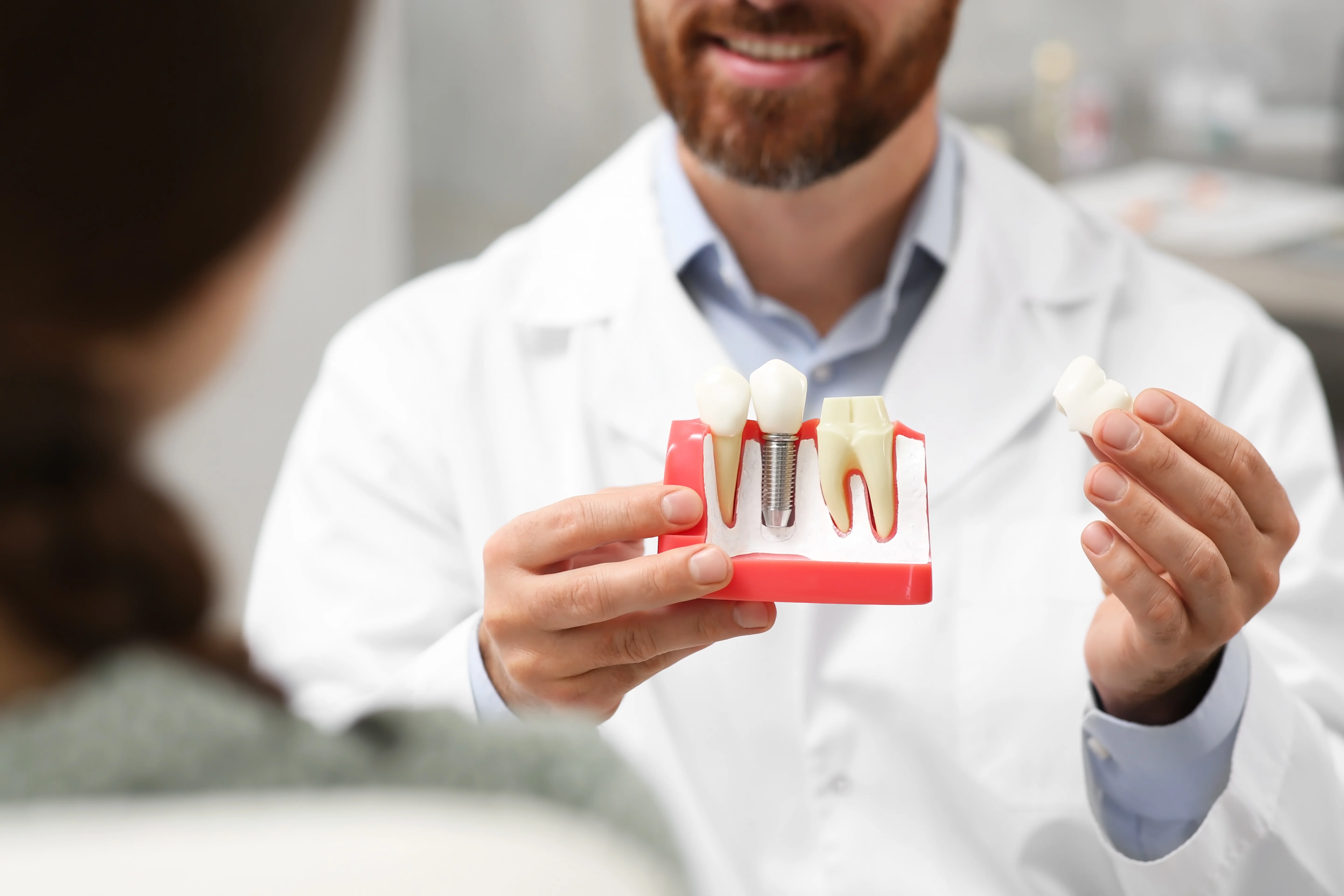
Every tooth has layers. The outer layer is enamel—the hardest substance in your body. Beneath that is dentin, which is still hard but more porous. And at the center of the tooth is the pulp, which contains blood vessels, nerves, and connective tissue.
The pulp is what allowed your tooth to develop when you were young, but once the tooth is fully mature, it doesn't strictly need the pulp anymore. The tooth can survive and function perfectly well without it, receiving nourishment from tissues surrounding the root.
A root canal becomes necessary when the pulp becomes infected or irreversibly damaged. This can happen from deep decay reaching the pulp, a crack or chip that allows bacteria in, multiple procedures on the same tooth, or trauma to the tooth even without visible damage.
When pulp is infected or dying, it needs to come out. Otherwise, the infection spreads into the bone around the tooth root, forming an abscess and causing significant pain and potential complications. The root canal procedure removes the damaged pulp, cleans and disinfects the interior of the tooth, and seals it to prevent future infection.
The alternative to root canal treatment is Tooth Extractions—removing the tooth entirely. While extraction is sometimes necessary, preserving your natural tooth is almost always the better option when it's possible.
Signs You Might Need a Root Canal
Root Canals are typically performed when there's a problem with the pulp inside a tooth. Several symptoms can indicate pulp trouble, though sometimes there are no symptoms at all until significant damage has occurred.
Persistent pain is the classic sign. This might be a constant ache, pain that comes and goes, or pain that radiates to your jaw, face, or other teeth. The pain often worsens when you bite down or put pressure on the tooth.
Prolonged sensitivity to hot or cold that lingers long after the stimulus is removed suggests pulp involvement. Normal sensitivity fades quickly; sensitivity that stays for minutes or longer indicates something deeper.
Darkening of a tooth can signal that the pulp inside is dying or dead. If one tooth looks noticeably darker than its neighbors, it warrants evaluation.
Swelling in the gums near a tooth, especially swelling that comes and goes or creates a small pimple-like bump, often indicates infection that has spread beyond the tooth root into surrounding tissues.
A chipped or cracked tooth may need root canal treatment if the damage extends to the pulp. Even without visible damage, past trauma can sometimes cause pulp problems years later.
Not all these symptoms definitively mean you need a root canal—and some teeth needing root canals have no symptoms at all. That's why regular dental visits matter. X-rays and clinical examination can often detect problems before they become painful.
How Modern Root Canals Actually Work
If you need a root canal, here's what the process typically looks like.
First comes diagnosis and imaging. 3D Imaging technology allows us to see the exact anatomy of your tooth roots, which can be surprisingly complex. Some teeth have multiple canals in unusual configurations. Knowing exactly what we're working with before we start leads to better outcomes.
Anesthesia comes next. Your tooth and surrounding area will be thoroughly numbed before anything begins. Modern anesthetics are extremely effective—you shouldn't feel pain during the procedure, just pressure and vibration.
The tooth is isolated with a dental dam, a thin rubber sheet that keeps the area clean and dry and prevents bacteria from your saliva from entering the tooth during treatment.
Your dentist creates an access opening through the top of the tooth, then uses tiny specialized instruments to remove the pulp tissue from the canals inside the roots. The canals are shaped and cleaned with both mechanical instruments and antimicrobial solutions.
Once the canals are thoroughly cleaned, they're filled with a biocompatible material called gutta-percha and sealed with adhesive cement. A temporary filling closes the access opening.
The procedure typically takes one to two hours depending on the complexity. Some teeth can be completed in a single visit; others require two visits, especially if there's active infection that needs to calm down before permanent filling.
Addressing the Elephant in the Room: Pain
Let's talk directly about what everyone wants to know: does it hurt?
The honest answer is that the root canal procedure itself should not be painful. Modern anesthesia is very effective, and we don't proceed until you're completely numb. You'll feel pressure and vibration from the instruments, and you'll hear some unfamiliar sounds, but actual pain should not be part of the experience.
What hurts is the infection that leads to needing a root canal. That throbbing, keeping-you-awake-at-night pain? That's the problem the root canal is solving. Most patients feel significant relief once the infected tissue is removed and the source of the pain is gone.
For patients with significant dental anxiety, or for particularly complex cases, sedation options can help. Adult Oral Conscious Sedation allows patients to remain relaxed and somewhat drowsy throughout the procedure while still being able to respond to instructions. Many patients remember little of the appointment afterward.
After the procedure, you can expect some tenderness for a few days. This is normal—your body is healing from minor surgical trauma. Over-the-counter pain relievers like ibuprofen are usually sufficient. Severe pain after a root canal is not normal and should be reported to your dentist.
Why Saving Your Natural Tooth Matters
Some patients, facing the prospect of root canal treatment, ask why they shouldn't just have the tooth pulled instead. It seems simpler, it's often less expensive upfront, and you end up without the problem tooth.
But extracting a tooth creates problems of its own.
Your teeth work as a system. When one tooth is missing, the teeth on either side tend to drift into the gap. The tooth that used to bite against the missing one may start erupting further, having nothing to oppose it. Your bite changes, often leading to problems with other teeth and jaw issues down the road.
Bone loss occurs after extraction. The bone that used to support the tooth root begins to shrink without that stimulation. This affects facial structure over time and makes future tooth replacement more complicated.
Replacing an extracted tooth is expensive. Dental implants are the gold standard but cost significantly more than root canal treatment. Bridges require preparing adjacent teeth. Leaving the gap is an option but comes with the drift and bite problems mentioned above.
In almost all cases, keeping your natural tooth is the better long-term investment. Root canal treatment followed by proper restoration allows the tooth to function normally for many years—often for the rest of your life.
After the Root Canal: The Crown Question
A root canal treats the inside of the tooth, but the tooth still needs protection on the outside. In most cases, this means getting a Dental Crowns] placed on the tooth after root canal treatment.
Why is this necessary? Root canal treatment requires removing a significant amount of tooth structure to access the canals. The remaining tooth walls are thinner and more vulnerable to fracture. Additionally, teeth that have had their blood supply removed become more brittle over time.
A crown completely covers the tooth above the gum line, protecting it from fracture and preventing bacteria from re-entering the treated canals. Think of it as a helmet for your tooth—it absorbs the forces of chewing and shields the vulnerable structure beneath.
Not every root-canal-treated tooth needs a crown. Front teeth, which don't bear heavy chewing forces, can sometimes be restored with just a filling if enough tooth structure remains. But molars and premolars almost always need crowns for long-term survival.
Delaying the crown is a common mistake. Some patients complete their root canal, feel better, and don't follow through with the crown. Then the tooth fractures—sometimes irreparably—and they end up losing the tooth anyway, plus having wasted the investment in the root canal.
Root Canals and Emergencies
Tooth pain that indicates potential root canal need often presents as an emergency. You're not in pain at your six-month checkup; you're in pain at 2 AM on a Saturday.
Emergency Dentistry services exist for exactly these situations. Severe tooth pain shouldn't wait until Monday—infection can spread quickly, and unnecessary suffering helps no one.
If you're experiencing severe tooth pain, swelling, or signs of infection, contact your dentist's emergency line. Many dental offices, including ours, offer emergency appointments or can at least provide guidance on managing symptoms until you can be seen.
While waiting for treatment, over-the-counter pain relievers can help. Ice packs on the outside of your face (never inside your mouth) can reduce swelling. Avoid very hot or cold foods and beverages if temperature sensitivity is part of your symptoms.
What not to do: don't apply aspirin directly to your gum (this causes burns), don't ignore escalating symptoms hoping they'll go away, and don't delay treatment because you're scared of the procedure. The infection won't resolve on its own, and it will only get worse.
Success Rates and Long-Term Outcomes
Root canal treatment has an excellent track record. Success rates are typically quoted between 85-97%, depending on the specific circumstances and how "success" is defined.
Teeth that have had successful root canal treatment can last a lifetime with proper care. The key factors for long-term success include prompt placement of a permanent crown or restoration, maintaining good oral hygiene around the treated tooth, avoiding trauma or excessive force on the tooth, and regular dental checkups to monitor the tooth over time.
Sometimes root canals do fail. This might mean the infection wasn't completely eliminated, new infection developed, a crack in the tooth went undetected, or the seal broke down over time. When root canals fail, retreatment is often possible—going back in and redoing the procedure. In some cases, a minor surgical procedure called an apicoectomy can save the tooth by removing infected tissue at the root tip.
The bottom line: most root canals succeed, and most treated teeth serve their owners well for many years. The procedure has earned its reputation as a tooth-saver.
Myths vs. Reality
Let's clear up some common misconceptions about root canals.
Myth: Root canals are extremely painful.
Reality: Modern root canals are typically no more uncomfortable than getting a filling. The pain you experience before treatment is from the infection, not the treatment itself.
Myth: It's better to just pull the tooth.
Reality: Preserving your natural tooth is almost always preferable. Extraction creates new problems and costs more in the long run when you factor in tooth replacement.
Myth: Root canals cause illness.
Reality: This claim comes from discredited research from the early 1900s. There is no valid scientific evidence linking root canal treatment to other health problems. Major dental and medical organizations worldwide confirm that root canals are safe.
Myth: Root canals require many appointments.
Reality: Most root canals are completed in one or two appointments. Complex cases may require more, but it's not a prolonged ordeal.
Myth: If a tooth doesn't hurt, it doesn't need treatment.
Reality: Teeth can have dead or dying pulp without significant pain. Routine x-rays sometimes reveal problems that haven't yet caused symptoms.
Taking the Next Step
If you're experiencing tooth pain or have been told you need a root canal, don't let fear of the unknown keep you from getting treatment. The actual experience of a modern root canal is far less dramatic than its reputation suggests.
Delaying treatment, on the other hand, has real consequences. Infections spread. Pain worsens. Teeth that could have been saved become unsavable.
At Salt Creek Dental in Graham, Texas, we perform root canals with the goal of making the experience as comfortable as possible while achieving the best possible outcome for your tooth. We explain every step before we begin, check in throughout the procedure, and provide clear aftercare instructions so you know exactly what to expect.
Conclusion
Root canals have a bad reputation that they no longer deserve. Modern root canal treatment is a straightforward procedure that eliminates infection, relieves pain, and saves teeth that would otherwise be lost. The discomfort is minimal, the success rate is high, and the alternative—losing your natural tooth—is almost always worse.
If you have a tooth that's been bothering you, or if you've been putting off recommended treatment because of fear, we encourage you to take the next step. The anticipation is usually far worse than the reality.
Salt Creek Dental in Graham, Texas is here to help. Contact us to schedule an evaluation, ask questions, and develop a treatment plan that works for you. Your teeth—and your peace of mind—are worth it.
Ready for a Beautiful Smile?
Fill out the form and get a callback in 48 hours or less.


Book Your Appointment Now
.svg)

Frequently Asked Questions
Common Dental Questions Answered for Graham, Texas Families
.svg)
.svg)
.svg)

How often should I visit the dentist?
Routine dental visits every six months help maintain good oral health and prevent future issues.
Do you offer discounts for cash clients or seniors?
Yes, we offer special discounts for cash-paying clients and senior patients to make dental care more affordable. Contact our office to learn more about the discounts available for your treatment plan.
Will you bill my insurance if you're not a PPO provider?
Absolutely! While we are not a PPO provider, we will gladly bill all insurance plans on your behalf to help you maximize your benefits. Please reach out to us with your insurance details for assistance.
What should I do if I have a dental emergency?
For any dental emergency, it’s important to contact us as soon as possible so we can provide timely care and relieve discomfort.