.svg)
.svg)
.svg)

Your 2026 Smile Goals: Complete Dental Health Planning Guide
Plan your 2026 smile goals with this complete dental health guide from Salt Creek Dental in Graham, TX. Habits and treatments for a healthier smile.

A new year means fresh starts, renewed motivation, and the inevitable list of resolutions. You've probably thought about exercise, eating better, maybe spending less time on your phone. But have you thought about your teeth?
For most people, dental health gets attention only when something goes wrong. Toothache? Time to call the dentist. Obvious cavity? Guess I should schedule an appointment. Tooth literally falls out? Okay, now I'll deal with it.
This reactive approach to dental care is understandable—you're busy, dental appointments aren't anyone's favorite activity, and if nothing hurts, it's easy to assume everything's fine. But "nothing hurts" and "everything's fine" aren't the same thing. Dental problems often develop silently for years before they announce themselves with pain.
2026 can be different. Instead of waiting for problems to force your hand, what if you got ahead of them? What if you addressed the issues you've been ignoring, finally tackled that smile improvement you've been thinking about, and set yourself up for a healthier mouth for years to come?
At Salt Creek Dental in Graham, Texas, we help patients create dental health plans that work with their lives, their budgets, and their goals. This guide will help you think through what you want to achieve for your smile in 2026 and how to actually make it happen.
Start With Honest Assessment
Before setting goals, you need to know where you're starting from. This means being honest with yourself about your current dental health—and ideally, getting a professional assessment to fill in what you can't see or know on your own.
Think about your current situation. When was your last dental checkup? If it's been more than a year, that's your first priority. How do your teeth actually feel? Do you have sensitivity, bleeding gums, or teeth that feel loose? Are there things about your smile you'd like to change—color, alignment, missing teeth?
Our General Dentistry services include comprehensive exams that give you complete information about your dental health status. X-rays reveal what's happening below the surface. Gum measurements assess periodontal health. Clinical examination identifies problems at early stages when they're easiest to treat.
Many patients are surprised by what they learn during a thorough exam. They might have been living with early gum disease without realizing it, or have cavities developing between teeth where they can't see them. This information isn't meant to alarm you—it's meant to empower you. You can't address problems you don't know exist.
The Foundation: Getting Current on Basic Care
If you've fallen behind on routine dental care, getting current is the foundation everything else builds on. No amount of cosmetic treatment matters if underlying disease is compromising your teeth and gums.
For patients who haven't been to the dentist in a while, the first appointment often focuses on addressing any acute problems and performing a thorough cleaning to remove accumulated plaque and tartar. Depending on how long it's been and what we find, you might need a deeper cleaning called scaling and root planing, which addresses bacterial buildup below the gum line.
Once you're caught up, the goal is maintenance: checkups and cleanings every six months for most patients. This frequency isn't arbitrary—it's based on how quickly plaque turns into tartar and how often problems need to be caught to treat them conservatively.
If you have existing dental work that's been neglected, this is the year to have it evaluated. Old fillings can develop leaks around the edges. Crowns can loosen. Partial dentures may no longer fit properly. Having a complete picture of where everything stands allows for prioritized planning.
Addressing Long-Standing Problems
Most people have at least one dental issue they've been putting off. Maybe it's a tooth that was recommended for treatment years ago that hasn't gotten worse yet. Maybe it's wisdom teeth that should probably come out. Maybe it's a gap from a tooth lost long ago that you've just learned to live with.
2026 is the year to stop procrastinating.
Wisdom Teeth Removal is a common item on the "should do eventually" list. These third molars frequently cause problems—crowding other teeth, developing difficult-to-treat decay, or becoming impacted in ways that damage adjacent teeth. If you've been told your wisdom teeth should come out, there are rarely good reasons to wait.
Missing teeth create problems beyond cosmetics. Adjacent teeth drift into the gap. Bone loss occurs where the root used to provide stimulation. Bite changes can affect jaw joint health. The longer a gap exists, the more complicated replacement becomes.
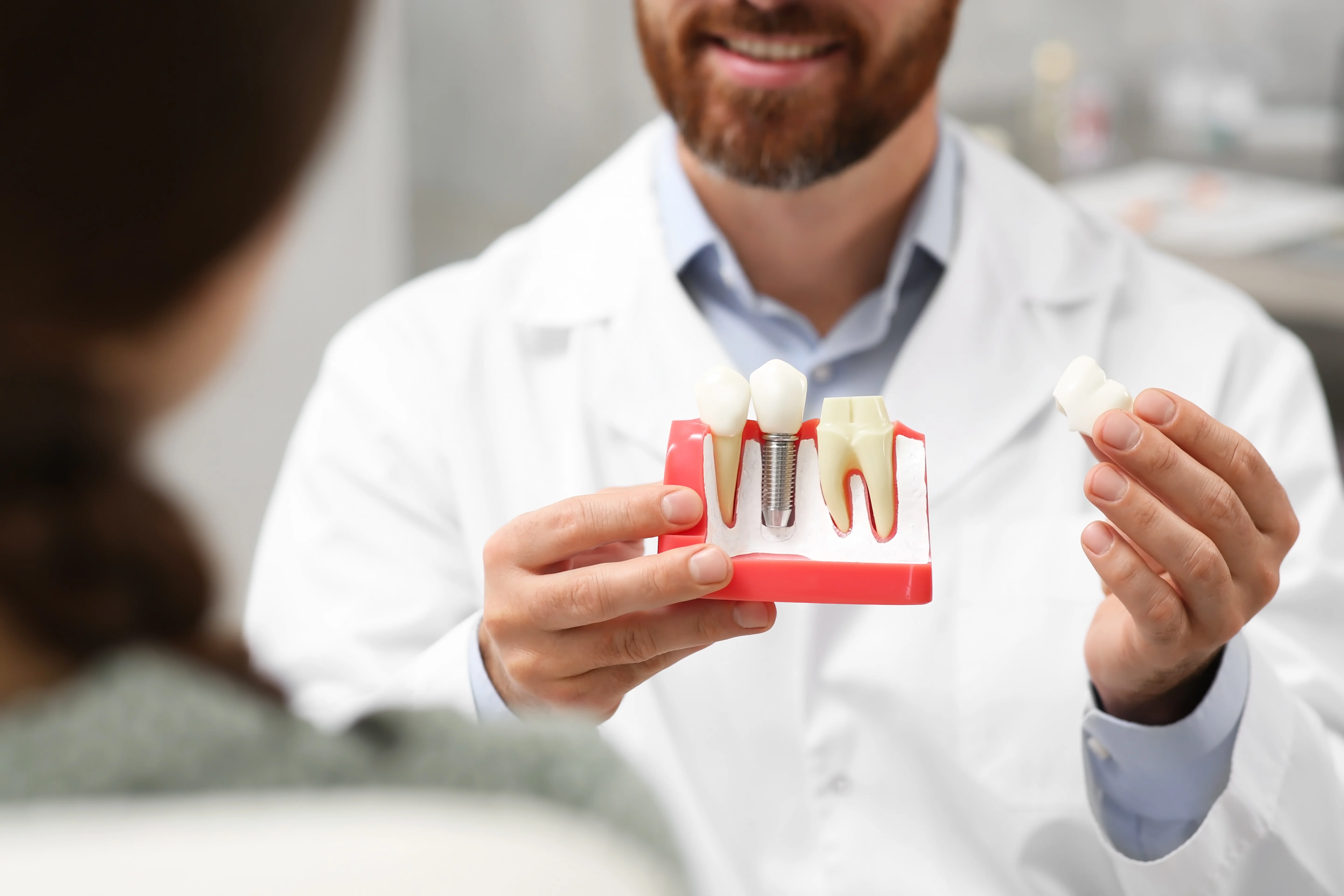
Dental Implants are the gold standard for replacing missing teeth. They look, feel, and function like natural teeth because they're anchored in bone like natural roots. A single implant can replace a single tooth; multiple implants can support bridges or even full-arch restorations.
For patients who've been missing teeth for a long time, Bone Grafting may be needed before implant placement. Without a root to stimulate it, jawbone shrinks over time. Grafting rebuilds bone volume so implants have sufficient foundation. It adds time to the treatment process but makes implants possible for patients who wouldn't otherwise be candidates.
Tooth Replacement Options for Complete Oral Rehabilitation
Some patients are dealing with more extensive tooth loss—multiple missing teeth, failing teeth that need extraction, or dentures that no longer work well. For these patients, 2026 could be the year of transformation.
Traditional Dentures remain a viable option for many patients. Modern dentures are more comfortable and natural-looking than ever before. They're also the most affordable full-arch replacement option, making them the right choice for patients with budget constraints.
But dentures have limitations. They rest on gums, not in bone, so they don't prevent bone loss. They can slip during eating and speaking. They require adhesives and nightly removal for cleaning.
Implant Retained Dentures combine the affordability of dentures with the stability of implants. A small number of implants (typically 2-4 for a lower denture, 4-6 for upper) anchor the denture in place. The denture snaps onto the implants, so it doesn't slip or shift. Many patients who struggled with loose dentures find implant-retained versions life-changing.
For patients who want teeth that never come out, full-arch implant bridges provide permanent replacement. These fixed restorations are supported entirely by implants and function essentially like natural teeth. They're the most significant investment but also the most complete solution.
The right choice depends on your specific situation, preferences, and budget. Restorative Dentistry encompasses all these options, and our role is to help you understand what each involves so you can make the decision that's right for you.
Cosmetic Goals: Creating the Smile You Want
Not all dental goals are about health—some are about appearance. And that's completely valid. Your smile affects how you present yourself to the world, how confident you feel in social and professional situations, and how much you smile at all.
Cosmetic Dentistry offers numerous options for improving smile appearance, from simple to comprehensive.
Teeth whitening is the most accessible cosmetic improvement. Professional whitening is significantly more effective than over-the-counter options and can lighten teeth by several shades in a single treatment. If staining is your main concern, whitening might be all you need.
For teeth that are chipped, slightly misshapen, or have minor gaps, bonding or veneers can create dramatic improvement. Bonding is done in a single appointment and is relatively affordable. Veneers require more investment but provide more durable and more transformative results.
Alignment issues affect both appearance and function. Clear aligners have made orthodontic treatment more accessible for adults who don't want traditional braces. Straighter teeth are easier to clean, more stable, and more attractive.
Sometimes the best results come from combining treatments. A comprehensive smile makeover might include whitening, orthodontics, and veneers—whatever combination addresses your specific concerns and creates your ideal result.
Creating a Realistic Treatment Timeline
Once you know what you want to accomplish, the question becomes: in what order, and over what timeframe?
Dental treatment often needs to happen in a specific sequence. You can't place a crown on a tooth that needs a root canal first. You can't do cosmetic work on teeth that have active decay. You can't whiten teeth before cleaning removes the surface stains that are blocking the whitening agent.
Budget also affects timeline. Dental work is an investment, and most people can't do everything at once. Spreading treatment over time makes it more manageable financially.
Insurance considerations matter too. Most dental insurance has annual maximums—use them or lose them. Strategic scheduling across calendar years can maximize insurance benefits.
A typical planning approach might look like this:
Phase one addresses urgent needs and preventive care—anything that's actively causing problems or likely to cause problems soon if not addressed. Get the foundation solid.
Phase two tackles planned restorative work—addressing those long-standing issues you've been putting off. This might take place over several months, sequencing treatments logically.
Phase three focuses on elective improvements—cosmetic treatments or enhancements that aren't medically necessary but improve your quality of life.
Not everyone needs all three phases. Some patients just need to establish a maintenance routine. Others have extensive work that will take the full year. Your plan should be customized to your situation.
Overcoming Barriers to Dental Care
Knowing what you need to do and actually doing it are different things. If there are barriers keeping you from dental care, 2026 is the year to address them.
Fear is one of the biggest barriers. Dental anxiety is real and common, and dismissing it doesn't help. Modern dentistry offers numerous ways to make treatment comfortable, from excellent local anesthesia to sedation options for anxious patients. If fear has kept you away from the dentist, communicate this openly—we want to help you find solutions, not judge you.
Cost concerns are valid. Dental treatment can be expensive, especially for extensive work. But waiting typically makes things more expensive, not less. Small cavities are cheaper to treat than large ones. Teeth that could have been saved become teeth that need extraction and replacement.
We work with patients on financial planning, help maximize insurance benefits, and offer payment options that make treatment accessible. Don't let cost keep you from even getting an assessment—you need information to make informed decisions.
Time is always in short supply. Dental appointments require time off work, childcare arrangements, or other scheduling gymnastics. But routine preventive visits take less time than emergency visits when neglected problems explode. Think of preventive care as a time investment that pays dividends.
Making Dental Health a Sustainable Habit
Goals are great, but habits are what create lasting change. Whatever you accomplish in 2026, the goal should be creating sustainable patterns that continue indefinitely.
Home care habits are the foundation. Brushing twice daily with fluoride toothpaste, flossing once daily, and possibly using additional tools like mouthwash or interdental brushes—these habits prevent the majority of dental problems.
Regular dental visits need to become automatic—something you schedule because it's time, not because something hurts. Put your next appointment on the calendar before you leave the current one. Set reminders. Treat it like any other essential maintenance.
Diet and lifestyle choices affect dental health too. Reducing sugar frequency, limiting acidic beverages, not smoking—these choices support everything else you're doing.
If you have children, model these habits. Kids who see parents taking dental care seriously grow up to be adults who take dental care seriously. The example you set now pays off for decades.
What Success Looks Like
Define what success means for you so you know when you've achieved it.
For some patients, success is simply getting current—no outstanding dental needs, established maintenance routine, confidence that you're on track. That's a worthy goal that many people never achieve.
For others, success involves specific outcomes: replacing missing teeth, completing orthodontic treatment, achieving a smile they're proud to show. These tangible goals are motivating because you can see the progress.
For still others, success is breaking free from dental anxiety—proving to themselves that dental treatment doesn't have to be traumatic and building confidence to maintain their oral health going forward.
Whatever success looks like for you, write it down. Having a clear vision helps you stay motivated when treatment gets complicated or when life gets busy.
Your Next Step
Reading about dental health goals is easy. Taking action is harder. But here's the simple truth: nothing will change unless you do something different.
Your next step is making an appointment. If you haven't seen a dentist in a while, that appointment is for a comprehensive exam to assess where you stand. If you've been seen recently, maybe it's a consultation to discuss specific goals you want to achieve.
The appointment is where you get personalized information about your mouth—not generic advice, but specific guidance based on what's actually happening with your teeth, your gums, and your situation. From there, you can make informed decisions and create a realistic plan.
At Salt Creek Dental in Graham, Texas, we welcome patients at every stage of their dental health journey—from those coming in for their first visit in years to those seeking advanced restorative or cosmetic treatment. We meet you where you are and help you get where you want to go.
Conclusion
Your dental health in 2026 isn't determined by luck or genetics alone—it's largely determined by the choices you make and the actions you take. Waiting for problems to become undeniable is one approach, but it's not the approach that leads to the best outcomes.
This year can be the year you stop ignoring that tooth, replace those missing ones, get the smile you've always wanted, or simply establish the preventive routine that protects your oral health for decades to come. Whatever your goal, it's achievable—but it requires getting started.
Salt Creek Dental in Graham, Texas is ready to partner with you on your 2026 dental health journey. From comprehensive exams to complex restorations, from routine cleanings to smile transformations, we offer the full range of services to help you achieve your goals.
Contact us today to schedule your appointment. Your healthier, more confident smile is waiting.
Ready for a Beautiful Smile?
Fill out the form and get a callback in 48 hours or less.

Book Your Appointment Now
.svg)

Frequently Asked Questions
Common Dental Questions Answered for Graham, Texas Families
.svg)
.svg)
.svg)

How often should I visit the dentist?
Routine dental visits every six months help maintain good oral health and prevent future issues.
Do you offer discounts for cash clients or seniors?
Yes, we offer special discounts for cash-paying clients and senior patients to make dental care more affordable. Contact our office to learn more about the discounts available for your treatment plan.
Will you bill my insurance if you're not a PPO provider?
Absolutely! While we are not a PPO provider, we will gladly bill all insurance plans on your behalf to help you maximize your benefits. Please reach out to us with your insurance details for assistance.
What should I do if I have a dental emergency?
For any dental emergency, it’s important to contact us as soon as possible so we can provide timely care and relieve discomfort.